Explore 31 industrial uses of silver across 10 industries, including real-world applications, technical benefits, and possible substitutes
Discover where silver is used, which properties make it valuable, and what materials could replace it.
Explore by industry
Search or choose an industry, then select an application to read its technical and investor perspectives.
No matching applications. Try another search or industry.
Solar-cell contacts
Conductive patterns collecting electricity generated inside many silicon solar cells.

Where is silver used?
Silver-containing conductive paste forms fine electrical contact lines on solar cells. These contacts are printed or deposited on the cell and connect the light-generated current to the external circuit.
Why does silver work here?
The metal contacts collect and move current while minimizing electrical resistance. Cell design and contact geometry also affect performance. Fine contact fingers must collect electricity without shading too much of the active surface, so engineers balance conductivity against contact width and material use.
Possible alternatives
Copper-based contacts, copper plating and lower-silver paste formulations.
Copper requires suitable process control, adhesion and reliability; alternatives are not drop-in replacements for every cell architecture.
How to interpret demand
The relevant demand driver is silver used per cell or per watt, not just the number of solar panels manufactured. Compare manufacturing output with the grams of silver used per watt and the share of cell technologies that still rely on silver contacts.
What could reduce silver intensity?
Thrifting and alternative contact technologies can offset growth in solar-cell output.
Printed electronic circuits
Silver-based conductive inks or pastes form paths on selected electronic components and substrates.
Where is silver used?
Printed conductive tracks and films provide an electrical path on surfaces that may not accept conventional wiring. Typical applications include sensors, membrane switches and flexible circuitry, where conductive patterns are deposited only where needed.
Why does silver work here?
Silver formulations can be printed or cured for antennas, traces and flexible electronics. Performance depends on the ink, substrate and curing process. Printing can simplify fabrication on thin or flexible surfaces, although curing temperatures must suit the underlying material.
Possible alternatives
Copper-based inks, carbon-based inks and conventional copper traces.
Alternative inks can demand different curing conditions or provide different conductivity and durability.
How to interpret demand
Demand can respond to the mix of printing technologies and component designs, not simply to electronics unit sales. More printed electronics could help consumption, but a shift toward lower-silver formulations may weaken the link between units made and ounces consumed.
What could reduce silver intensity?
Material substitution and redesign may reduce silver per device.
Silver-filled conductive adhesives
Metal-filled adhesives that bond components while carrying electrical current or dissipating heat.

Where is silver used?
Selected semiconductor packages use silver-filled die-attach adhesives between a chip and its supporting substrate. Other electronics may use conductive bonding pastes where conventional soldering is less suitable.
Why does silver work here?
Dispersed silver particles create conductive pathways as the adhesive cures. The polymer holds parts together; silver supplies much of the electrical connection and can improve heat transfer in suitable formulations. Engineers also consider bond-line thickness and thermal cycling because a good electrical connection must survive repeated heating and cooling.
Possible alternatives
Solder, sintered metal bonds, copper-filled adhesives, and non-conductive adhesives where an electrical path is unnecessary.
A substitute must satisfy contact resistance, corrosion behavior, heat management, mechanical stress and process temperature requirements. A copper filler is not an automatic drop-in replacement.
How to interpret demand
Adhesive consumption depends on how electronic packages are designed and which bonding processes manufacturers adopt. More chips do not necessarily mean a proportional increase in silver loading. Track the adoption of particular die-attach materials and package types rather than treating all semiconductor shipments as equivalent demand.
What could reduce silver intensity?
Reduced filler loading, alternative joining techniques and redesigned semiconductor packages can lower silver per assembly.
RFID antennas
Printed antennas on tags used in identification and inventory systems.

Where is silver used?
Selected RFID tags use printed silver-based ink for antenna patterns. The patterned conductor couples the tag to the reader signal; it is not a solid-silver component.
Why does silver work here?
Conductive patterns allow a passive radio-frequency tag to communicate with a reader. Antenna shape, operating frequency and the conductivity of the printed layer influence how efficiently a tag can be read.
Possible alternatives
Aluminum or copper antenna structures and non-silver inks.
Material cost, printability and production volume influence antenna choice.
How to interpret demand
The important variable is which tag architectures use silver, not the total number of RFID tags. Packaging and logistics adoption can raise tag volumes while aluminum-based antenna production expands at the same time.
What could reduce silver intensity?
A large portion of the sector can be served by non-silver conductors.
Switches and relays
Electrical contacts that repeatedly open and close a circuit.

Where is silver used?
Silver or silver-alloy contact surfaces are used in selected relays and switches. Examples include selected industrial control relays, protective switching devices and electrical contact assemblies.
Why does silver work here?
Silver alloys can combine low contact resistance with suitable switching performance. Specific grades address wear and electrical arcing. A contact must conduct when closed and tolerate mechanical movement or arcing when opened. Silver is often alloyed to improve its behavior under these conditions.
Possible alternatives
Copper-based contacts, gold finishes or other contact alloys depending on duty.
Higher current, arcing, corrosion and service-life requirements can make a cheaper substitute unsuitable.
How to interpret demand
Electrical-system design and contact material selection determine demand more directly than headline device shipments. Replacement cycles, electrical loading and the portion of contacts made with silver alloys are more informative than a simple count of switches.
What could reduce silver intensity?
Miniaturization, changed contact materials and solid-state switching can alter silver requirements.
High-reliability connectors
Contact finishes on connectors where stable electrical performance matters.

Where is silver used?
Silver plating is used on selected electrical contacts and connector surfaces. Rather than replacing the connector body, manufacturers can apply silver only to the mating surfaces that carry current.
Why does silver work here?
A plated contact can provide conductive performance without making an entire component from silver. Surface finish helps control resistance at the interface. The connector must also retain adequate contact force and withstand its expected operating environment.
Possible alternatives
Tin, gold and other plating systems.
Choice depends on insertion cycles, corrosion environment and signal or power requirements.
How to interpret demand
Only a small quantity of silver may be required per connector; component count alone does not quantify demand. Larger power connectors and tiny signal connectors have very different surface areas, making a single average per connector misleading.
What could reduce silver intensity?
Plating thickness and alternate finishes vary by design.
EV contactors and power switches
Switching components that connect or isolate higher-current vehicle circuits.

Where is silver used?
Some vehicle contactors and switching parts use silver-based contact materials. These components can be found in selected high-voltage battery isolation and power-distribution systems, where contacts must open or close a circuit safely.
Why does silver work here?
Contact material helps manage electrical resistance, wear and switching loads in appropriately designed devices. Materials must withstand repeated switching and, in some designs, significant fault-current conditions. Silver alloys may be used at the contact points rather than throughout the device.
Possible alternatives
Alternative contact alloys and solid-state switching systems.
Different switching loads and safety requirements determine which alternatives are viable.
How to interpret demand
Vehicle electrification adds power-electronics components, but silver content varies widely by platform and supplier. Compare the number and design of contactors per platform with the material choices made by the component supplier.
What could reduce silver intensity?
Redesigns and substitutions can change consumption per vehicle.
Vehicle electronics
Control systems, sensors and communication modules in electric and conventional vehicles.

Where is silver used?
Silver may appear in selected solders, conductive materials, contacts and electronic components. Individual uses may be tiny, but modern vehicles contain many control modules and electrical interfaces.
Why does silver work here?
The role is distributed across different electronic parts rather than a single standardized quantity per car. Different components need different properties: some use conductive joins, others require dependable switching contacts or surface finishes.
Possible alternatives
Copper traces, alternative solders and non-silver contacts in suitable designs.
No universal silver-per-vehicle figure applies to all platforms or models.
How to interpret demand
Electrification can shift the bill of materials, but component sourcing and design are equally important. Vehicle production, electronics content and component-level silver loading can all move in different directions.
What could reduce silver intensity?
Per-vehicle silver use is not fixed and cannot be inferred from EV sales alone.
Military UAVs and drones
Selected drone electronics use silver-based shielding, contacts and conductive materials.

Where is silver used?
Some military and civilian UAV designs use silver-containing conductive coatings or inks for electromagnetic-interference shielding around electronics and communications hardware. Silver may also appear in circuit contacts, sensors and specialist wiring, depending on the design.
Why does silver work here?
Silver-based conductive layers can help contain electromagnetic interference, reducing unwanted coupling between sensitive electronics. The application is in selected components, not in the drone structure as a whole. A thin conductive coating can be useful where designers need shielding on a lightweight housing or around a particular circuit.
Possible alternatives
Copper or nickel-based coatings, aluminum shields, carbon-filled materials and alternative contact finishes.
Shielding depends on frequency, layer continuity, corrosion protection, mass and manufacturing method; silver is not required in every UAV.
How to interpret demand
Drone production can add demand for specialist conductive coatings and electronics, but material use per aircraft varies sharply across designs. Unit growth alone does not establish a silver-demand forecast. A small commercial drone and a large military UAV can have entirely different electronics, shielding requirements and metal content.
What could reduce silver intensity?
Thinner conductive layers, redesigned enclosures, copper-based shielding and different contacts may reduce silver use per drone.
Missiles and guided-weapon electronics
Selected missile and weapon-control systems use silver-plated electrical interfaces.

Where is silver used?
Certain guided-missile and weapon-control electronics can include silver-plated contacts, connectors or other conductive interfaces. These are small parts of electronic and guidance assemblies rather than silver being a primary structural material in a missile or rocket.
Why does silver work here?
Silver-plated interfaces can be chosen for specified electrical and environmental performance in demanding electronics. The exact materials depend on the contractor, system and qualification requirements. Reliability is evaluated at the connector or circuit level, often under vibration and temperature constraints rather than by the weapon category itself.
Possible alternatives
Gold- or nickel-finished contacts, tin-based finishes, copper alloys and different connector systems.
Contact performance depends on corrosion conditions, mating cycles, vibration, and protection against tarnishing; a silver finish is not universal.
How to interpret demand
Military procurement can support niche demand for high-reliability contacts and plating. Public sources rarely reveal the silver content of a specific missile or rocket, so a per-weapon demand estimate would be speculative. For demand analysis, contractor specifications and qualified component sourcing would be more useful than headline procurement values.
What could reduce silver intensity?
Component redesign, alternative plating choices and more efficient coating processes can reduce silver intensity.
Military radar and RF waveguides
Silver and silver plating can be used in specialist radar-frequency transmission parts.

Where is silver used?
Selected military radar, antenna and microwave assemblies use silver or silver-plated waveguides and radio-frequency surfaces. The material is applied to certain signal-carrying components, not to entire radar installations.
Why does silver work here?
At microwave frequencies, current flows near conductor surfaces. A conductive silver surface can help limit transmission losses in suitably designed RF hardware. The useful silver is typically at the surface of a specially shaped conductor, so surface quality and plating depth can be as important as total metal mass.
Possible alternatives
Aluminum, copper, other plated finishes and alternative RF structures.
Choice depends on loss targets, weight, fabrication cost, environmental durability and operating frequency. Defense guidance also permits alternatives in many designs.
How to interpret demand
High-performance radar programs may use silver in small, precision-engineered parts. Procurement volume cannot be translated directly into ounces of silver without bill-of-materials information. Equipment architecture and the surface area of plated RF components influence potential consumption.
What could reduce silver intensity?
Design changes, alternative materials or thinner plating layers can lower silver consumption.
Military communications and EW electronics
High-frequency communications and electronic-warfare systems may contain silver-bearing RF parts.

Where is silver used?
Silver-plated RF connectors, waveguides or conductive interfaces can be used in selected military radio, satellite-link and electronic-warfare equipment. Exact components vary by product and supplier.
Why does silver work here?
Silver finishes can lower electrical losses on appropriate RF contact surfaces, while conductive components also help maintain continuity across shielded assemblies. Contact design and protective treatments matter because tarnish, wear and assembly tolerances can affect real-world electrical performance.
Possible alternatives
Copper, gold-finished connectors, nickel finishes, aluminum waveguides and different shielding constructions.
At high frequencies, durability, surface condition, connector geometry and corrosion control can matter as much as the metal itself.
How to interpret demand
Defense communications upgrades can contribute to demand for specialized electrical parts; not every electronic-warfare or military communications unit needs silver in the same components. Upgrades that emphasize different frequency bands or connector standards may change the mix of silver-bearing parts.
What could reduce silver intensity?
Alternative metallization and revised RF architectures may reduce silver plating area or thickness.
Aerospace and defense wiring
Some aerospace-grade wires use a thin silver coating over copper conductors.

Where is silver used?
Aerospace wiring specifications include certain silver-coated copper conductors used in qualified electrical cable families. Such wires can serve aviation and defense electronics where the selected standard and installation call for them.
Why does silver work here?
A thin silver layer is applied to a copper or copper-alloy conductor. It is a surface finish, not a solid-silver cable; specified wire constructions also depend on insulation and qualification requirements. Coating thickness is small relative to the copper core, so the conductor remains primarily a copper product by mass.
Possible alternatives
Tin-coated or nickel-coated copper conductors and other qualified cable designs.
Silver-coated wire is one option among several within aerospace cable specifications. The required finish depends on service environment, electrical needs and manufacturing standards.
How to interpret demand
Aerospace production and modernization can involve specialized plated wire, but the silver mass is typically a small fraction of each finished cable. Cable length, conductor size, specification and coated-wire share are the relevant inputs when assessing this niche use.
What could reduce silver intensity?
Different conductor finishes or optimized cable constructions can change the quantity of silver required.
Naval torpedo batteries
Specialist torpedo power systems have used silver-containing battery chemistry.
Where is silver used?
Specific torpedo designs have employed silver-zinc or silver-oxide-based primary power sources for propulsion and onboard electronics. This is a documented, specialized use and should not be generalized to all naval weapons.
Why does silver work here?
Silver-containing cathode chemistry is used in selected specialist electrochemical cells. The energy storage system converts chemical energy into electrical power; designs differ by chemistry and operational requirements. Battery materials are selected for a particular balance of stored energy, discharge power, storage conditions and operational constraints.
Possible alternatives
Lithium-based, thermal, other primary or rechargeable battery systems depending on the vehicle and use case.
The mass and role of silver depend on the exact cell chemistry. Silver-zinc and silver-oxide/aluminum systems are distinct and should not be conflated.
How to interpret demand
Specialist military batteries provide a concrete example of silver in defense hardware, but public production figures alone cannot establish a reliable quantity of metal consumed. Replacement schedules and the fraction of programs using silver-based cells can matter more than total naval procurement.
What could reduce silver intensity?
Different battery chemistries, propulsion choices and reuse or recycling programs can alter future requirements.
Military vehicle and weapon-system contacts
Selected weapons platforms and military vehicles use silver-plated electrical components.

Where is silver used?
Some armored-vehicle electrical equipment, power-distribution assemblies and weapon-system interfaces use silver-plated contacts, switching elements or connectors. These are shared electrical technologies also found in civilian machinery.
Why does silver work here?
Silver-bearing contact surfaces can help pass current or maintain electrical continuity in selected switches and connectors. Component selection also takes mechanical stress, contamination and environmental conditions into account. The required silver may be limited to a very thin interface or a small switching element inside a much larger assembly.
Possible alternatives
Copper alloys, tin or gold finishes, nickel finishes and qualified alternative contact materials.
The presence of an electrical system does not guarantee silver use. Many defense devices rely mainly on copper and use a different contact finish.
How to interpret demand
Vehicle and weapons-system production can contribute to demand for industrial contacts, but counts of tanks, weapons or vehicles do not translate into dependable silver consumption figures. Changes in electrical-system complexity can affect contact demand, but public platform counts are too coarse for a reliable estimate.
What could reduce silver intensity?
Cheaper or more durable finishes, contact redesign and tighter use of plating can reduce silver intensity.
Grid switchgear
Switching and protection equipment used in electricity distribution.

Where is silver used?
Some switchgear and circuit-breaker contacts use silver-containing materials. Contact surfaces are found in selected protective devices that connect or interrupt current on distribution networks.
Why does silver work here?
Contact alloys are selected to meet current, switching and longevity requirements in the equipment. Switching faults may create high thermal and electrical stress. Appropriate silver-bearing contact compositions can help the device meet its rated duty.
Possible alternatives
Copper-based and other contact alloys; solid-state devices in specific contexts.
High-current switching and fault protection impose design constraints.
How to interpret demand
Grid expansion supports equipment activity, but not every new grid component contains the same silver loading. Grid construction, upgrades and replacement of aging protection equipment can all contribute to component demand, but contact designs differ by equipment rating.
What could reduce silver intensity?
Product architecture and contact alloy selection determine material intensity.
Power conversion hardware
Selected control and connection components in industrial inverters and power equipment.

Where is silver used?
Silver-bearing solders, pastes and contact finishes can be used in specific high-performance components. In power converters and inverters, silver may appear in selected module attachments, electrical interfaces or conductive joining materials.
Why does silver work here?
Material selection may support electrical contact, heat transfer or reliable joining in a designed component. High operating temperatures and repeated power cycling put stress on these joints. Material choice depends on thermal performance as well as electrical efficiency.
Possible alternatives
Copper-based joining materials, tin-based solders and alternative contact finishes.
Requirements vary by temperature, reliability and manufacturing method.
How to interpret demand
Look for which components use silver rather than assuming every inverter requires a fixed quantity. Manufacturers may redesign internal power modules as output ratings rise, so installed capacity alone is not a dependable silver-demand measure.
What could reduce silver intensity?
Alternative package technologies and smaller material loadings can change usage.
Data-center electrical hardware
Electrical distribution, switching and electronic components supporting servers and networking.

Where is silver used?
Silver may be present in selected contacts, circuitry, joining alloys and switches. Examples may include particular power-distribution contacts, server-board materials and switchgear used around computing equipment.
Why does silver work here?
Its role comes from particular devices inside the infrastructure, not from data centers as a distinct silver-specific process. Silver is used for the properties of an individual contact, paste or joining alloy. Its presence depends on supplier and component selection.
Possible alternatives
Non-silver conductor and contact solutions chosen for individual components.
No defensible universal silver quantity per megawatt of data-center capacity.
How to interpret demand
Additional infrastructure can increase demand for components, but silver intensity depends on equipment mix. Follow equipment procurement and the specific power-electronics and switching parts involved, rather than applying a fixed ounces-per-megawatt rule.
What could reduce silver intensity?
AI capacity growth alone cannot determine silver demand without component-level data.
Silver-sheathed superconductors
Silver jackets and matrices used in selected high-temperature superconducting wires and tapes.

Where is silver used?
Some bismuth-based superconducting tapes and wires have a silver or silver-alloy sheath surrounding the superconducting ceramic. Such conductors have been studied or used in specialized magnet and electrical applications.
Why does silver work here?
In selected bismuth-based superconductors, silver is compatible with the ceramic processing environment and provides a conductive, workable sheath. The superconducting phase carries the superconducting current; silver is not itself the high-temperature superconducting material. In these wires, the ceramic provides the superconducting function while the metallic sheath supports processing and electrical stabilization.
Possible alternatives
Different superconducting conductor designs, including REBCO coated conductors with different substrates and stabilizers; alternative sheathing depends on the chemistry and manufacturing route.
Changing from silver-sheathed bismuth conductors to another superconducting architecture changes fabrication, performance and cost. It is not a direct silver-for-copper swap in the same conductor.
How to interpret demand
A specialized, design-dependent application. Demand depends on adoption of the particular superconducting conductor, not on the number of superconducting devices generally. The market is highly specialized, so a small number of large projects or a shift in conductor technology could change demand substantially.
What could reduce silver intensity?
Different conductor technologies and cheaper stabilization or sheath configurations can reduce silver intensity in applicable products.
Antimicrobial wound dressings
Certain medical dressings use silver compounds to help control microbial burden.
Where is silver used?
Silver ions can be released from selected wound-care materials designed for antimicrobial action. Products may incorporate silver in fibers, foams or other wound-contact layers, depending on their approved design.
Why does silver work here?
These are specialized healthcare products used for particular clinical indications, not a universal benefit for every wound. Silver release and the dressing environment determine antimicrobial activity; these properties do not replace an assessment of clinical appropriateness.
Possible alternatives
Non-silver dressings and other antimicrobial treatment approaches.
Appropriate clinical use depends on care guidance and the wound condition; not every dressing needs silver.
How to interpret demand
This is a specialized materials application with product-specific silver loading. Procurement depends on product evidence and treatment protocols, rather than the number of patients or wounds alone.
What could reduce silver intensity?
Clinical practice and evidence, not simply healthcare spending, determine use.
Medical-device surface coatings
Selected device surfaces may use silver-containing antimicrobial technologies.

Where is silver used?
Engineered coatings can incorporate silver to discourage certain microbial growth on specific surfaces. The coating may be part of a catheter or another selected device intended to reduce microbial colonization at the material surface.
Why does silver work here?
Performance depends on coating chemistry, released silver and the conditions of use. Manufacturers must balance antimicrobial performance with adhesion, durability, biocompatibility and controlled material release.
Possible alternatives
Non-silver antimicrobial coatings, material redesign and infection-control practices.
Laboratory antimicrobial effects do not automatically establish clinical benefit for every device.
How to interpret demand
Demand is shaped by approvals, evidence and whether a given device design actually uses silver. Device approvals, adoption by healthcare providers and the amount of silver in each coating jointly affect potential consumption.
What could reduce silver intensity?
Regulation and substitution create strong application-by-application differences.
Brazing alloys
Joining metals in equipment, tools and certain heat-exchanger assemblies.

Where is silver used?
Silver-bearing filler alloys flow between suitable metal parts during brazing. Filler metal is heated above its melting range and drawn into a prepared joint, often by capillary action.
Why does silver work here?
Alloy composition is chosen for melting behavior, wetting, joint strength and corrosion requirements. Silver-containing formulations can provide favorable flow and joining characteristics across selected combinations of base metals.
Possible alternatives
Copper-phosphorus and other non-silver brazing filler alloys where suitable.
Base metals, joining temperature and service requirements constrain the choice.
How to interpret demand
Industrial output matters, but the chosen joining alloy and silver concentration may matter more. Watch the volume of fabricated joints and which alloy grades manufacturers purchase, not simply the number of finished machines.
What could reduce silver intensity?
Silver content can be reduced or removed in selected filler formulations.
Silver-bearing solders
Joining selected electrical and industrial components using a lower-temperature filler.
Where is silver used?
Some lead-free solder alloys contain a small silver addition. Silver additions are used in some electronic solder formulations, including certain tin-silver-copper alloys.
Why does silver work here?
Silver can influence mechanical or thermal behavior in specific solder formulations. Changing the alloy alters melting behavior, wetting and joint performance, particularly under mechanical or thermal stress.
Possible alternatives
Tin-copper and other lead-free alloys without silver.
Selection balances cost, thermal cycling and reliability. Not all lead-free solder contains silver.
How to interpret demand
Changes in solder formulation can matter even when component output stays constant. A modest formulation change across high-volume assembly lines can affect silver usage without much change in electronics production.
What could reduce silver intensity?
Silver-free formulations already exist for some joining requirements.
Ethylene oxide catalysts
Industrial chemical production of ethylene oxide, an intermediate used for many products.
Where is silver used?
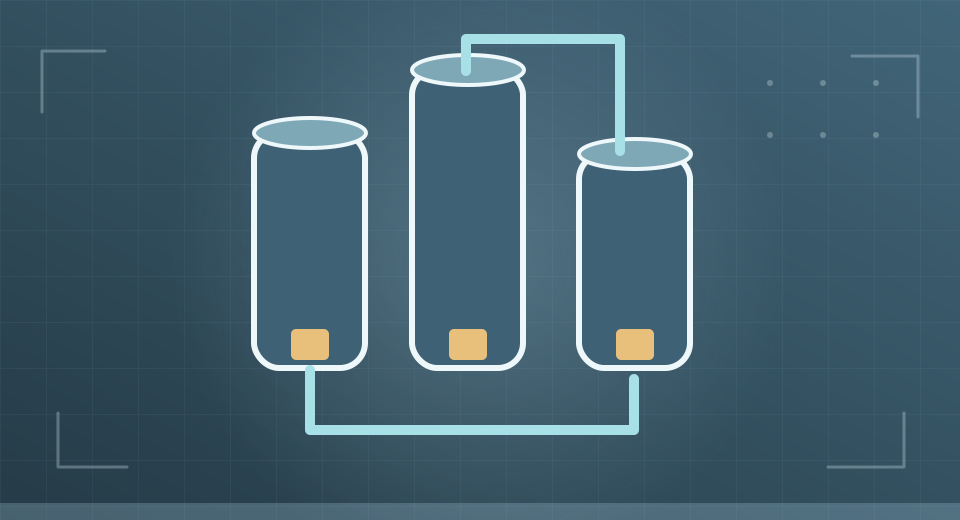
Supported silver catalysts promote the conversion of ethylene into ethylene oxide under process conditions. The silver is held on a catalyst support inside industrial reactors rather than being incorporated as an ingredient in the final product.
Why does silver work here?
Catalyst performance arises from the engineered catalyst and reactor conditions, not from silver electrical conductivity. Reactor conditions and catalyst formulation influence conversion and selectivity. Silver functions as a chemical catalyst, not as an electrical contact.
Possible alternatives
Alternative process and catalyst technologies may be studied, but silver catalysts are established in this route.
Catalyst selection requires process-scale efficiency and selectivity; not a simple metal-for-metal swap.
How to interpret demand
Demand depends on catalyst manufacture, replacement and recycling, rather than output rising one-for-one with new silver purchases. New reactor capacity can require catalyst loading, while used catalysts may be recovered and their metal recycled.
What could reduce silver intensity?
Recycling and long catalyst service life alter fresh-metal requirements.
Formaldehyde production
A chemical-manufacturing pathway using silver-based catalysts.

Where is silver used?
Silver catalysts can be used in certain formaldehyde production processes. Silver is used in one established industrial process route, while other facilities employ different catalytic systems.
Why does silver work here?
The reactor uses silver as a catalyst to facilitate chemical conversion. Process temperature, oxygen supply and catalyst configuration influence how the desired chemical reaction proceeds.
Possible alternatives
Metal-oxide catalyst processes are also used in the industry.
Processes differ in feed conditions, plant design and operating economics.
How to interpret demand
Process choice affects whether a facility uses silver, independently of total formaldehyde production. Growth in the chemical end market does not necessarily benefit silver if new capacity chooses a non-silver route.
What could reduce silver intensity?
Alternate catalyst systems and metal recovery reduce the direct link to fresh silver demand.
Mirrors and optical coatings
Highly reflective surfaces in selected mirrors and technical optical products.

Where is silver used?
Thin silver coatings can reflect visible light efficiently. The reflective layer is often only a thin deposit behind a protective coating or glass surface.
Why does silver work here?
Silver has very high reflectivity in visible wavelengths, though protective layers may be needed against tarnishing. Its optical performance is valuable, but silver needs suitable protection because environmental exposure can degrade an unprotected surface.
Possible alternatives
Aluminum mirrors and dielectric reflective coatings.
Alternatives differ by wavelength, durability and cost.
How to interpret demand
Physical coverage and coating thickness matter more than the number of finished mirrors. Coated surface area, layer thickness and the share using silver matter more than gross mirror sales.
What could reduce silver intensity?
Aluminum and dielectric designs are suitable in many applications.
Energy-efficient glazing (low-E)
Very thin silver-containing coatings used in selected energy-saving architectural glass.

Where is silver used?
Certain low-emissivity insulated windows use thin silver-based coatings on an internal glass surface to reduce infrared heat transfer while allowing useful daylight through.
Why does silver work here?
Silver-based low-E coatings reflect a substantial portion of thermal infrared radiation, helping reduce heat exchange through glazing. They form part of engineered multilayer coatings rather than a thick, visible layer of silver. A very thin metal layer works together with adjacent dielectric layers to tune heat reflection and daylight transmission.
Possible alternatives
Non-silver low-emissivity coatings such as doped tin oxide and other glazing systems selected for the required optical and thermal performance.
Different coatings vary in visible-light transmission, emissivity, solar control, durability, fabrication cost and suitability for tempering.
How to interpret demand
Silver use depends on how much coated glazing is installed, the fraction using silver-based low-E stacks, and the silver thickness per coated area. Construction activity matters, but glazing specifications and the number of silver layers per coating stack can change metal intensity.
What could reduce silver intensity?
Alternative low-E technologies, thinner silver layers and redesigned coating stacks can reduce silver consumption per square meter.
Light-sensitive silver halides
Traditional photographic films and certain imaging materials.

Where is silver used?
Silver halide crystals respond to light through photochemical processes. Film and specialty imaging products use light-sensitive silver compounds in an emulsion on a suitable support.
Why does silver work here?
Exposure and development produce an image from a light-sensitive chemical layer. Light exposure creates a latent image that is made visible through chemical development; the silver chemistry is central to that process.
Possible alternatives
Digital imaging and non-silver imaging techniques.
The application persists in niches but is not a proxy for general camera demand.
How to interpret demand
A clear example of technological substitution reducing a once-prominent use of silver. Track remaining film manufacturing and industrial imaging niches rather than extrapolating from sales of digital cameras.
What could reduce silver intensity?
Digital systems replaced silver-halide film in many mass-market settings.
Silver-oxide button batteries
Compact primary batteries commonly used in selected small devices.

Where is silver used?
Silver oxide acts as an electrode material in a designed battery chemistry. These small cells are used in selected watches, instruments and other compact devices requiring a particular voltage and form factor.
Why does silver work here?
The silver-containing compound participates in the cell reaction and helps provide a stable voltage profile. Battery chemistry and cell construction determine discharge characteristics and usable life, not the silver oxide material by itself.
Possible alternatives
Alkaline button cells and other battery chemistries, depending on device needs.
Voltage behavior, capacity, cost and device compatibility affect substitution.
How to interpret demand
Demand is tied to a particular cell chemistry, not batteries as a single market. Device sales need to be divided by the battery formats and chemistries actually selected by manufacturers.
What could reduce silver intensity?
Changes in battery chemistry and device design can replace silver use.
Antimicrobial textiles
Specialty fabrics and coatings incorporating silver-containing materials.
Where is silver used?
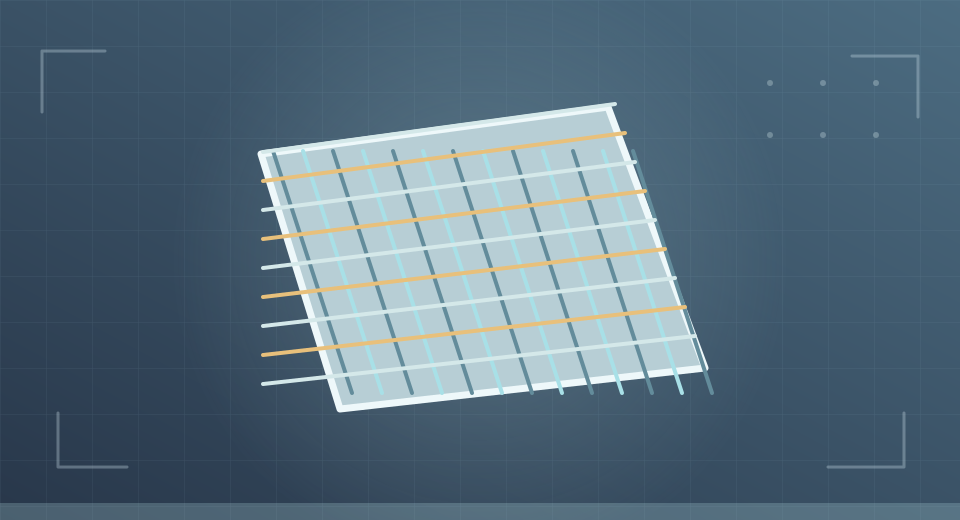
Some textiles use silver-based fibers, finishes or particles intended to inhibit microbial growth. Uses include certain specialty garments or fabrics with antimicrobial finishes; conventional textiles generally do not require silver.
Why does silver work here?
Effectiveness depends on chemistry, how the material is attached and test conditions. Durability after laundering, release behavior and tested antimicrobial effect are key to evaluating a given product.
Possible alternatives
Non-silver antimicrobial treatments and untreated textiles.
Claims require product-specific evidence; environmental and release considerations can be important.
How to interpret demand
This is a niche application with uncertain loading across different product designs. Product adoption and silver loading vary sharply, making retail textile sales a poor direct proxy for metal consumption.
What could reduce silver intensity?
Alternative treatments and regulations can shape use.
Silver-treated water filters
Silver-containing filter media used to inhibit microbial growth within selected filter products.
Where is silver used?
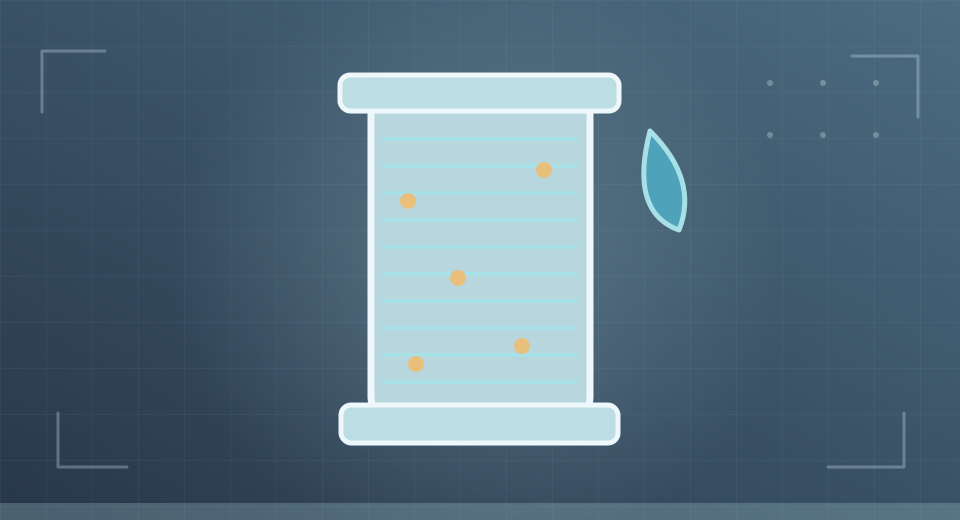
Some activated-carbon and ceramic water filters incorporate silver-containing additives or coatings to limit microbial growth on the filter medium itself.
Why does silver work here?
Silver can inhibit the growth of certain microorganisms on a treated filter surface under suitable conditions. This is not the same as reliably disinfecting unsafe drinking water; the World Health Organization does not recommend silver as a drinking-water disinfectant. The relevant benefit may be preservation of the filter medium during use, which is separate from reducing pathogens in the water leaving the filter.
Possible alternatives
Filter hygiene and replacement schedules, non-silver antimicrobial media, and proven disinfection processes such as appropriately applied chlorine, ultraviolet treatment or validated membrane systems.
Filter-medium preservation, whole-water disinfection and contaminant removal are different functions. Antimicrobial performance must be verified for a particular design and silver release into treated water can be a safety consideration.
How to interpret demand
A specialized, generally small-loading application. Market demand depends on filter designs and regulatory acceptance, not simply on demand for clean water. Buyers and manufacturers evaluate the full filter system; a silver additive is only one optional feature.
What could reduce silver intensity?
Non-silver media, product regulation, uncertain efficacy and material-release constraints may limit adoption.
How to interpret the explorer: Each profile describes documented or application-specific possible uses of silver, not a demand forecast or proof that every product in a category contains it. More products do not necessarily mean proportionally more silver consumption: manufacturers can reduce metal loading, redesign components, substitute materials or use recycled silver. No live prices, year-specific demand volumes or automated data feeds are included.
Methodology, scope & sources
This is a fixed educational reference compiled from public technical descriptions. Categories overlap across industries, so applications are illustrative rather than a complete market inventory. Defense profiles describe possible use in selected electronic components, not claims about every drone, rocket, missile, weapon or vehicle. No numerical demand shares or silver-per-device estimates are presented. The reference works without external APIs or updates to statistical datasets.
Foundational references: The Silver Institute — Silver in Industry, Royal Society of Chemistry — Silver, and U.S. Department of Energy — Solar Manufacturing. Individual applications link to their most relevant reference above.
For a broader analysis, see the Silver Industrial Demand Guide. This tool does not provide investment advice or medical guidance.
Explore the Industrial Uses of Silver
Silver is used in far more than jewelry, coins, and investment bars. Its exceptional electrical conductivity, thermal properties, and specialized chemical characteristics make it valuable across modern manufacturing and technology.
The Silver Industrial Uses Explorer covers 31 applications across 10 industry groups, including solar energy, electronics, electric vehicles, power infrastructure, healthcare, aerospace, and defense.
Explore how silver works in specific components, why manufacturers choose it, and which alternative materials may be suitable for different applications.
Why Silver Matters in Modern Technology
Industrial applications range from conductive contacts in solar panels to specialized components in electronics, electric vehicles, and electrical infrastructure.
Silver also has important applications in military technology, including selected radar systems, communications equipment, drones, and aerospace electronics.
However, not every device contains silver, and the amount used depends on its design and manufacturing requirements.
Can Other Materials Replace Silver?
Copper, aluminum, nickel, and other materials can replace silver in certain applications. Their suitability depends on conductivity, reliability, manufacturing costs, and operating conditions.
Manufacturers also continue reducing the amount of silver required per component. These developments make silver substitution an important consideration when evaluating future consumption.
What Industrial Applications Mean for Silver Demand
Growing production of solar panels, electronics, and advanced electrical equipment can support physical silver consumption. Yet higher production volumes do not always translate into proportional increases in silver demand.
Material efficiency, technological changes, and recycling also influence how much silver manufacturers require.
For a broader understanding of these trends, explore our Silver Industrial Demand Guide or examine the physical market through the Gold & Silver Supply and Demand Tracker.
Together, these resources help connect silver’s industrial applications with the wider forces shaping its supply, consumption, and market outlook.
Silver Industrial Uses Explorer FAQ
What is the Silver Industrial Uses Explorer?
The Silver Industrial Uses Explorer is an interactive tool that helps users understand how silver is used across different industries. It explains specific applications, the properties that make silver useful, and possible alternative materials.
Which industries use the most silver?
Major industrial consumers of silver include electrical and electronics manufacturing, solar energy, and automotive applications. Silver is also used in healthcare, aerospace, defense, and specialized industrial equipment. Consumption varies depending on production volumes and technological developments.
Why is silver important in electronics?
Silver has the highest electrical conductivity of any metal, making it valuable for electrical contacts, conductive pastes, switches, and electronic components. Its performance and reliability are particularly useful in applications requiring efficient electrical connections.
How is silver used in solar panels?
Silver is primarily used in conductive pastes that form electrical contacts in many photovoltaic cells. These contacts help collect and transport electricity generated by the cells. Manufacturers are developing technologies that reduce silver consumption or replace it in certain solar cell designs.
Is silver used in electric vehicles and military equipment?
Yes. Silver is used in selected electrical contacts, power electronics, sensors, and control systems found in electric vehicles. It also has applications in certain military communications systems, radar equipment, aerospace electronics, and other specialized components. The amount of silver varies significantly between products.
Can silver be replaced by other metals?
In some applications, silver can be replaced by copper, aluminum, nickel, or other materials. However, substitutes may involve trade-offs in conductivity, durability, corrosion resistance, or manufacturing costs. The feasibility of substitution depends on the specific application and performance requirements.
Does growing industrial demand increase silver prices?
Rising industrial consumption can support silver prices by increasing demand for physical metal. However, prices also depend on mine production, recycling, investment demand, inventories, interest rates, and broader market conditions. Improvements in material efficiency can also reduce the amount of silver required per product.